

Destination marketing is one of the more thankless disciplines in public-sector work: you’re accountable for visitor numbers, hotel room nights, and local business revenue, often with a budget that wouldn’t fund a mid-size brand’s social media team. The organizations doing this work are called Destination Marketing Organizations, or DMOs. This guide covers what they are, what they actually do, how they’re funded, and what the best-run campaigns look like in practice.
What is a Destination Marketing Organization (DMO)?
A Destination Marketing Organization (DMO) is the entity responsible for promoting a specific place to attract visitors and support the local economy. You’ll also see them called tourism boards, conventions and visitors bureaus (CVBs), or tourism authorities. Whatever the name, the job is the same: build the destination’s brand, drive visitor arrivals, and generate measurable economic impact for the businesses and communities they represent.
DMOs sit at the intersection of public accountability and marketing execution. They answer to elected officials, local boards, and taxpayers, while running campaigns that compete with global travel brands. That tension shapes everything about how they operate, from their funding models to how they measure success.
Why DMOs Matter
The tourism industry is one of the largest economic sectors in the world. According to the World Travel and Tourism Council, travel and tourism contributed over $11.1 trillion to global GDP in 2024, representing 10% of the global economy. DMOs are the local stewards of that economic engine.
Beyond visitor spend, a functioning DMO shapes how residents experience their own city. They support local businesses through co-op marketing programs, advocate for infrastructure investment, and make the case to elected officials that tourism funding is worth the line item. A destination without an active DMO is, in practice, a destination that isn’t competing for the traveler’s attention.
That advocacy increasingly runs through placemaking (designing public spaces around the people who use them), because a walkable district or a revitalized waterfront is the visitor experience a DMO’s marketing eventually has to deliver on.
Visit Big Sky’s community check-in challenge at Community Week 2024 put both into practice: a week of gamified civic events that rewarded residents for showing up, with every prize drawn from local Big Sky businesses.
Core Functions of a DMO
Storytelling and Branding
Every destination has a story. DMOs are responsible for deciding which story gets told and making sure it travels. The "Virginia Is for Lovers" campaign has been running since 1969 because it captured something true about the state that hasn’t stopped being true. New Orleans’ "One Time in New Orleans" campaign works for the same reason: it invites visitors to author their own experience rather than consuming a pre-written one.
The DMOs that get branding right don’t chase trends. They root their story in what’s specific to the place: the particular quality of light in the Badlands, the specific culture of a city’s food scene, the kind of outdoor access that exists nowhere else. Generic destination marketing produces generic results.
Having a mountain range isn’t a voice. Aspen and a dozen other Colorado resorts all have mountains. What made Aspen distinct is the belief underneath the asset: that this is where serious people come to think, not just ski. Turning a place’s raw materials into that kind of ownable identity is what destination brand voice examples that actually work have in common.
Strategic Planning
DMOs design destination marketing strategies against specific, measurable objectives: visitor arrivals during shoulder season, first-party email list growth, hotel room nights during a target month, foot traffic into participating local businesses. The planning work involves researching target audiences, understanding what competing destinations are doing, and setting KPIs that actually mean something to the board members reviewing quarterly reports.
Good DMO planning is also adaptive. Travel trends shift quickly. The destinations winning in 2026 aren’t running the same campaign they ran in 2022. They’re refreshing their audience research, updating their targeting, and testing new formats against established ones.
Cannabis tourism is one of the clearest examples of this adaptability playing out in real time: DMOs in legal states that moved early to build 420-friendly content hubs and trail programs are now competing for a segment that represents 37% of active U.S. leisure travelers.
Collaboration and Co-Op Marketing
No DMO can drive meaningful economic impact alone. The effective ones build co-op marketing programs that pool resources with local hotels, restaurants, attractions, and retailers, giving smaller businesses access to marketing reach they couldn’t afford individually and giving the DMO a broader inventory of experiences to promote.
These collaborations extend to cultural institutions, adjacent destinations, and state-level tourism boards. A regional wine trail is more compelling when the DMO, the individual vineyards, and the local accommodation providers are all telling the same story.
Digital Presence and Visitor Engagement
Digital has become the front door to most destinations. Travelers research, plan, and book almost entirely online before they set foot in a place. DMOs manage that front door through websites, social channels, and interactive tools like AI-powered trip planners, digital passports, and geo-powered guides.
The shift toward user-generated content has also changed how smart DMOs think about digital. Real travelers sharing real experiences carry more credibility than polished brand photography. DMOs who’ve figured this out are building systems that generate UGC consistently rather than hoping it appears organically.
Festival and Event Promotion
Events are one of the most reliable tools a DMO has. A well-run food festival, a music event, a cultural celebration: each one generates concentrated visitor arrivals, media coverage, and community pride that outlasts the event itself. DMOs promote these events actively, collaborate with organizers on marketing, and increasingly use them as anchors for broader destination campaigns.
Some DMOs have taken this further by building digital passport mechanics into their event programming. Participants check in at featured locations, earn digital badges, and climb a leaderboard. The DMO gets a dataset at the end showing which businesses actually got foot traffic. Westminster, CO did exactly this with their Restaurant Week program, turning what had been a promotional week into a measurable engagement campaign with first-party data on participant behavior.
The same mechanics translate directly to heritage tourism: the U.S. heritage tourism market was valued at $128.66 billion in 2024, and DMOs running anniversary activations have eight proven America 250 gamification strategies to draw from, including heritage trails, photo challenges, culinary quests, and community milestone campaigns.
Visitor Services
A destination’s marketing only works if the visitor experience holds up. DMOs support that experience through visitor centers, comprehensive online guides, maps, and itinerary resources. Some manage concierge services, partner referral networks, and multilingual support for international visitors. The goal is to make sure that a traveler who arrives inspired by the marketing leaves ready to come back and tell someone else.
Destination Management Organization vs. Destination Marketing Organization
The naming distinction matters because it reflects a real philosophical shift happening across the industry. A Destination Marketing Organization is focused on promotion: getting people to come. A Destination Management Organization is focused on the full picture: managing the visitor experience, balancing tourism’s impact on residents, preserving what makes the place worth visiting, and planning for long-term sustainable tourism.
Most modern DMOs do both, even if their official title still says “marketing.” The ones in cities dealing with overtourism pressure (Venice, Barcelona, Amsterdam) are managing traffic flows and resident relationships as much as they’re running campaigns. The ones in smaller destinations are often doing destination development work alongside marketing. The “DMO” acronym has quietly become a catch-all for the full range of destination stewardship.
The formal shift to “Destination Management Organization” is gaining momentum as these organizations codify what they’ve been doing for years. It’s less a rebrand than an accurate label.
How are DMOs funded?
DMO funding varies significantly by location, but most organizations draw from some combination of the following sources.
Public Funding
Many DMOs receive direct allocations from local government budgets. Cities and counties fund DMOs because the economic return on tourism investment is well-documented. The challenge is that public funding can fluctuate with political priorities and budget cycles, making it an unreliable foundation to build on alone.
Tourism-Related Taxes
Hotel taxes, occupancy taxes, and bed taxes are the most stable and widely-used DMO funding mechanism in the U.S. These taxes are levied on accommodation bookings and a portion flows directly to the DMO. The logic is clean: the tourism activity that taxes generate also funds the marketing that drives more tourism activity.
Membership Dues
DMOs typically run membership programs for local hospitality businesses, attractions, and tourism partners. Members pay annual dues and receive marketing inclusion, promotional opportunities, and access to DMO events and data. Membership programs also build the co-op marketing network that makes the DMO’s campaigns more effective.
Grants and Sponsorships
State and national tourism boards allocate grants to local DMOs for campaigns that align with regional tourism objectives. Private sponsorships from brands and corporations add additional resources, typically tied to specific events or programs. Both require DMOs to have strong reporting infrastructure so they can demonstrate outcomes to funders.
Public-Private Partnerships
Public-private partnerships (PPPs) allow DMOs to combine public funding with private sector resources and expertise. A DMO might partner with a major hotel group on a destination campaign, with the hotel contributing media budget and the DMO providing content, data, and local business relationships. Well-structured PPPs extend a DMO’s reach without requiring proportional increases in public funding.
Current Challenges Facing DMOs in 2026
The operating environment for DMOs in 2026 involves a handful of genuinely difficult shifts that didn’t exist a decade ago.
Overtourism and Community Tension
Overtourism is a real policy problem in the places where it’s occurring. Venice charges day-trippers €5 to enter during peak periods. Amsterdam has capped cruise ship arrivals and is actively discouraging some visitor segments. Barcelona has seen sustained protests against short-term rentals and mass tourism. For DMOs in high-demand destinations, the job has shifted from “get more visitors” to “manage the right mix of visitors without destroying what makes the place attractive.”
Budget Pressure and Accountability
Tourism budgets are politically exposed. When a recession hits or a community faces competing priorities, DMO funding is a visible target. The DMOs that survive budget cycles consistently are the ones that can show, in concrete terms, what their spending produced: not impressions, but hotel room nights, restaurant visits, and local business foot traffic directly attributable to their programs.
Digital Fragmentation
The platforms where travelers discover and plan trips keep multiplying. TikTok travel content, AI-generated itineraries, and influencer recommendations have all changed where the discovery funnel starts. DMOs are competing for attention across more channels than ever, each with different content formats, audience demographics, and algorithmic dynamics. Managing that complexity while maintaining brand consistency requires more capability than most DMO teams were built to handle.
First-Party Data Strategy
The deprecation of third-party cookies and the rise of privacy regulations have pushed first-party data to the center of destination marketing. DMOs that relied on retargeting and audience data from platforms are now building direct data collection infrastructure: email lists, visitor surveys, digital passport programs that capture opt-in participant data at scale. This is a structural change in how destination marketing gets measured and who owns the audience relationship.
First-party data strategy has become a competitive differentiator. DMOs that can tell funders, hotel partners, and local businesses exactly which participating venues got foot traffic from a campaign are going to win budget fights that DMOs with only impression data will lose. Digital passport programs have become one of the primary mechanisms for building that data capability: participants opt in, check in at real locations, and the DMO ends up with a verified dataset that generic advertising can’t produce.
Visit Rancho Cordova’s Rancho Cordova Summer of Shenanigans digital passport is a practical illustration of this: a three-month photo check-in challenge that builds an owned email list, collects geolocated UGC, and gives the DMO verified foot-traffic data on which local businesses actually benefited, all without adding staff overhead.
Balancing Resident and Visitor Interests
Balancing local pride with tourism growth. The most sustainable DMOs treat residents as advocates rather than an inconvenience: celebrating local culture, amplifying community voices, and designing tourism initiatives that clearly benefit quality of life, not just hotel occupancy.
UGC and Influencer Strategy
User-generated content has become a primary distribution channel rather than a bonus. A visitor’s Instagram story about a food festival reaches their followers with a credibility that no DMO campaign can buy. The smartest DMOs aren’t just hoping for UGC; they’re building mechanics that generate it consistently, through digital passport challenges, photo scavenger hunts, and leaderboard competitions that give participants a reason to share.
8 Iconic DMO Campaigns Worth Studying
These campaigns have held up because they did something most destination marketing doesn’t: they said something specific about a specific place.
1. Virginia is for Lovers (1969)

The oldest campaign on this list, "Virginia Is for Lovers" has been running since 1969 with virtually no modification to the core phrase. It works because it’s emotionally honest about what travel is: an experience you share with someone you care about. The campaign has survived because it’s a truth about travel, not just a truth about Virginia. That universality is what makes it still legible 50+ years later. It’s also one of the earliest examples of a DMO creating destination brand merchandise (the bumper sticker, the t-shirt) that functions as a distribution channel for the message.
2. I Love New York (1977)
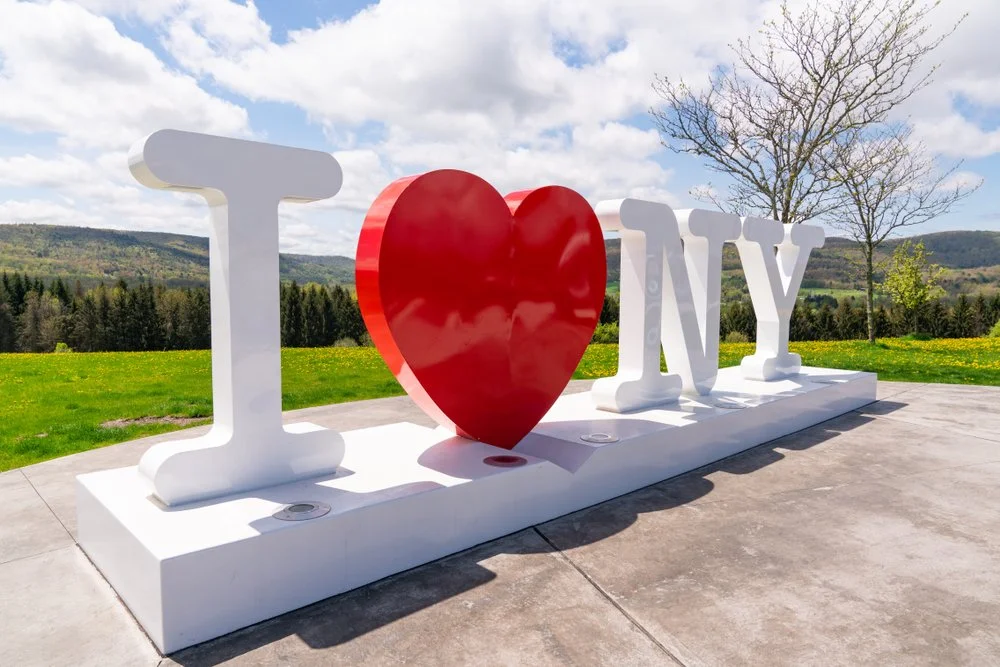
Launched in 1977 to pull New York City out of a fiscal and reputational crisis, "I Love New York" did something most destination campaigns don’t: it created a product. The heart logo on a t-shirt became the world’s most recognizable piece of destination merchandise, and that merchandise became a self-funding distribution channel for the campaign’s message. The heart icon was designed by Milton Glaser and initially paid for $2,000. It has since generated billions in licensing revenue. That’s a DMO campaign with an ROI that justifies any budget conversation.
3. What Happens Here, Stays Here (2003)
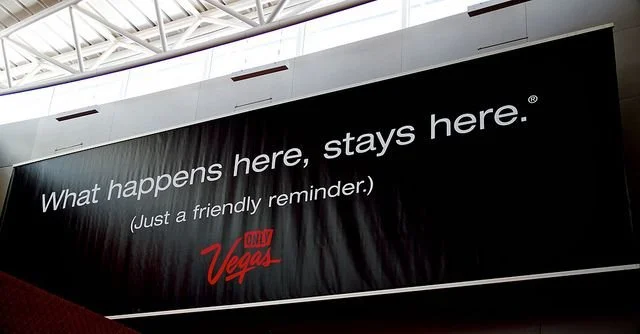
The Las Vegas Convention and Visitors Authority launched this campaign in 2003 knowing it would be polarizing. It worked because it was honest: Las Vegas is not a family values destination and pretending otherwise was producing forgettable marketing. The campaign gave permission to a specific traveler segment (adults seeking freedom from their daily constraints) and that segment responded. It’s a case study in the value of naming your actual audience rather than trying to appeal to everyone.
4. Pure Michigan (2006)
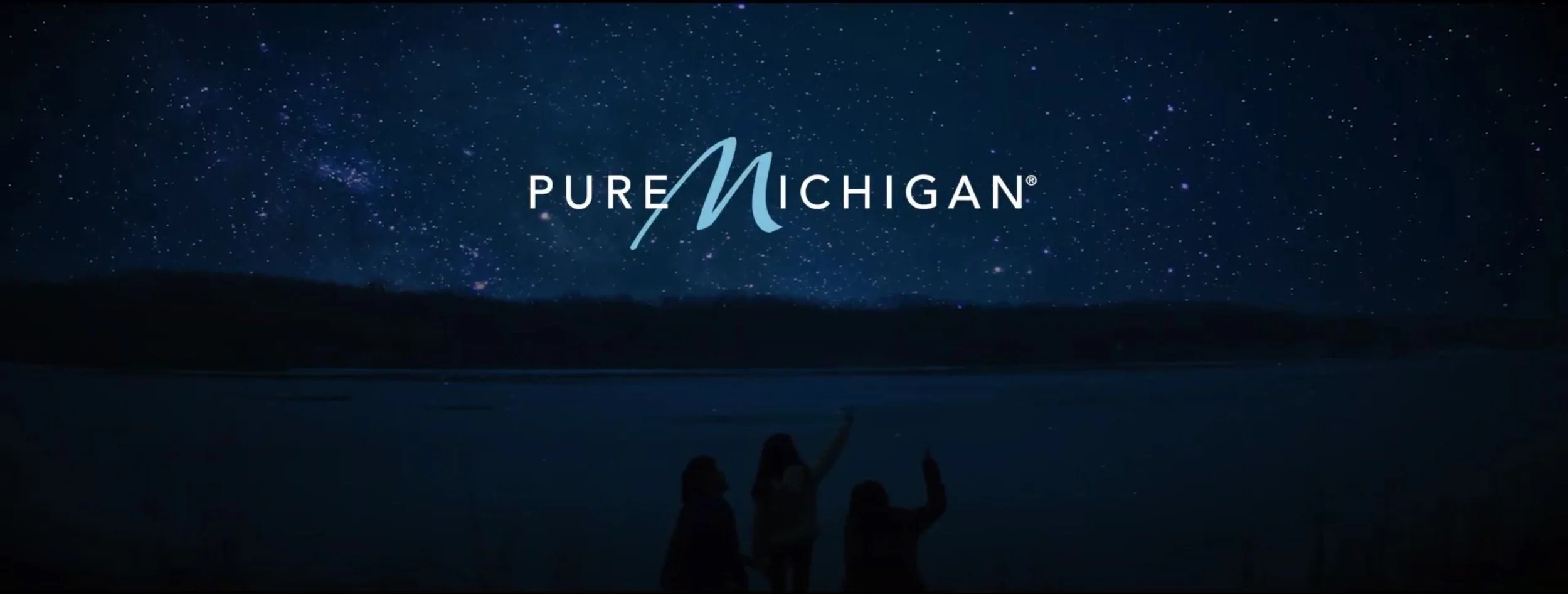
"Pure Michigan" is exceptional because it found a campaign platform (purity, authenticity, natural beauty) that worked as well for the Upper Peninsula as it did for Detroit. Most state campaigns struggle with geographic range; Michigan’s brand was broad enough to hold all of it. The campaign’s measurable impact is significant: Longwoods International’s evaluation of the original campaign found it generated $2.11 in new state tax revenue for every $1 spent on advertising. That’s the kind of ROI figure a DMO director can put in front of a legislature.
5. Great Faces, Great Places (2006)
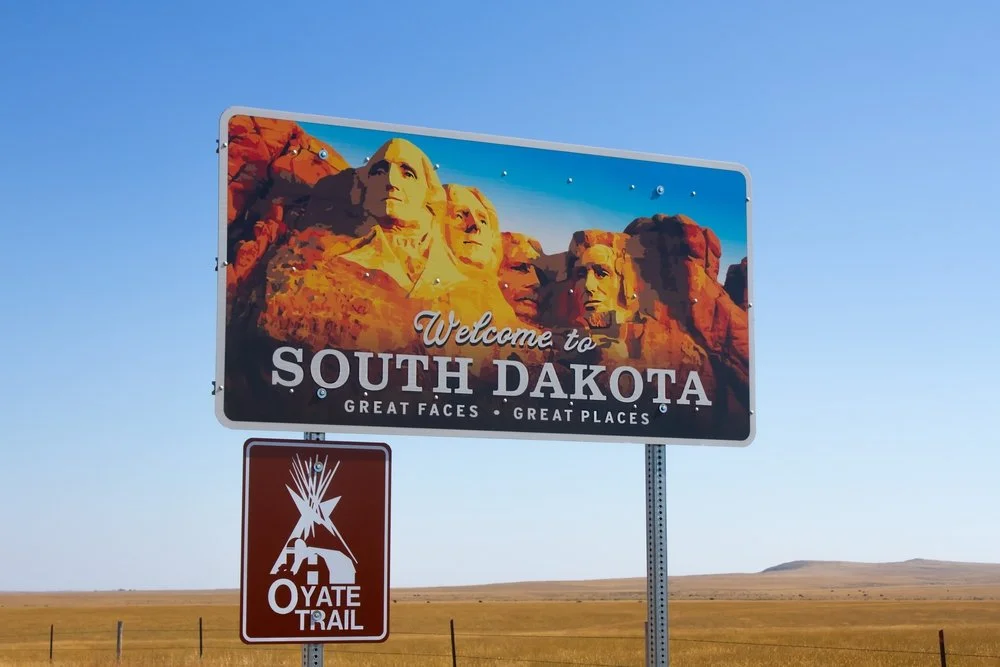
The South Dakota Department of Tourism built this campaign around the state’s two best-known assets: Mount Rushmore and the Badlands. "Great Faces, Great Places" works as a pun (the faces on the mountain, the faces of the people you’ll meet) and as a simple brand promise. It’s a good example of a DMO using the specific geography of a destination rather than trying to compete on generic travel values. South Dakota wasn’t going to out-beach Florida. It didn’t try to.
6. Find Your Park (2015)
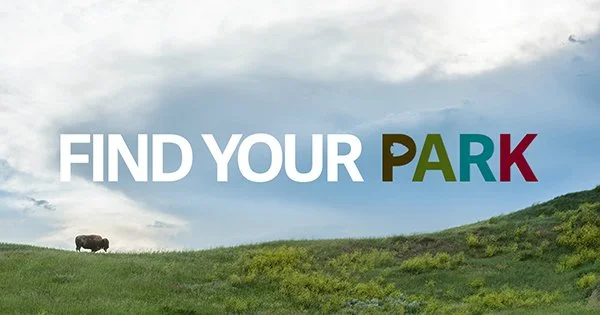
Launched for the National Park Service’s centennial, "Find Your Park" deliberately avoided showing only the famous parks. The campaign featured urban parks, cultural heritage sites, and lesser-known natural areas alongside Yellowstone and the Grand Canyon. The strategic logic was about audience development: the NPS was looking to introduce the parks to younger and more diverse audiences who didn’t see themselves in traditional outdoor recreation marketing. Broadening the definition of “park” broadened the audience.
7. Dream Big California (2019)
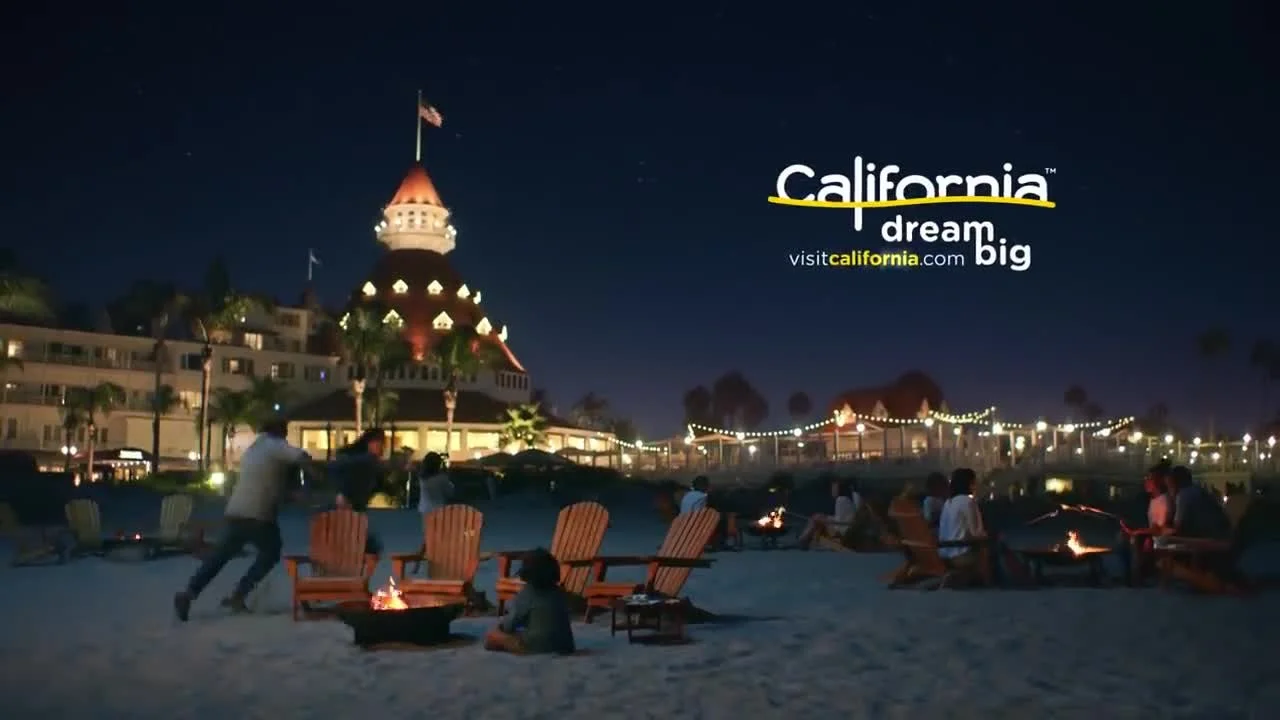
Visit California has run several memorable campaigns, but the "Dream Big" campaign launched in 2019 stands out for its inclusivity framing. California’s challenge is that it has too much to say, not too little: the state is 163,000 square miles with a dozen distinct regional tourism economies. "Dream Big" worked as a unifying platform that could hold all of it without losing specificity, because the campaign invited visitors to define their own version of the California dream rather than prescribing one.
8. Discover Puerto Rico (2017)

The "Discover Puerto Rico" campaign launched in 2017 after Hurricane Maria, with a brief that no DMO wants: rebuild tourism demand for a destination that had just experienced catastrophic infrastructure damage, while being honest about the recovery context. The campaign threaded that needle by centering on Puerto Rico’s cultural resilience rather than pretending the hurricane hadn’t happened. It gave travelers a reason to visit (support the recovery, experience real culture) that was specific to that moment. The campaign has since evolved into a long-running brand platform, which tells you it worked.
These eight campaigns share a trait: they all said something specific about a specific place, rather than reaching for generic travel values. That specificity is what makes destination marketing actually work, and what separates the DMOs running campaigns people remember from the ones running campaigns people scroll past.