
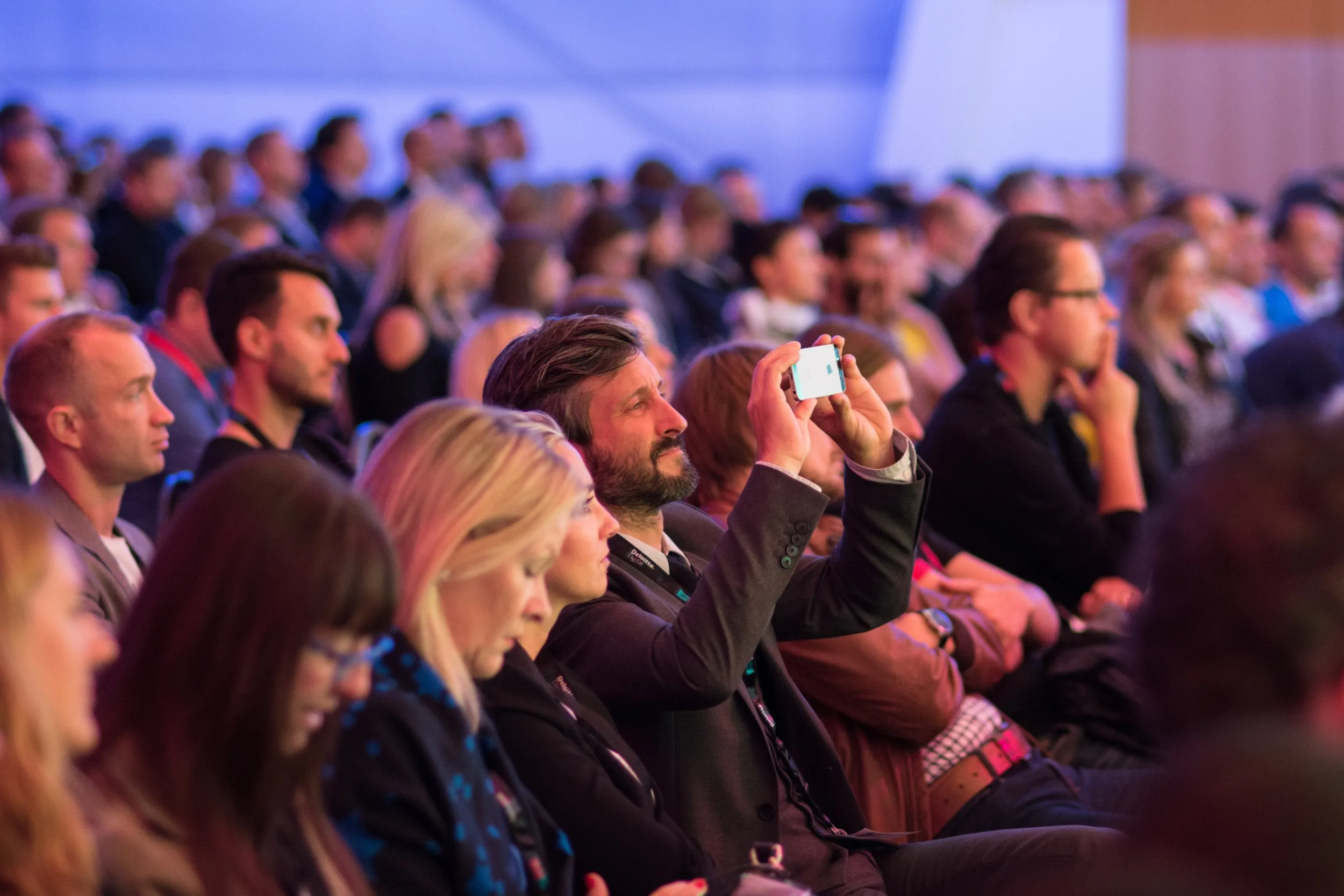
The difference between an event activation that generates buzz and one that gets forgotten by the time attendees reach the parking lot usually comes down to one thing: whether people did something or just watched something. The right event activation tools shift the balance from passive attendance to active participation, and they generate the data to prove it worked.
That shift from passive to active is the core promise of experiential marketing — and the right tools are what make it measurable, tracking check-ins, dwell time, and real-time engagement at every touchpoint throughout the event.
This guide covers six categories of event activation tools, what each one does, specific platforms worth knowing, and how to combine them into a participation loop that actually holds attention from check-in to close. For the broader strategic context, see our guide to event activation ideas and brand activation examples.
If you’re programming a multi-day agenda, our roundup of conference activities pairs these tools with formats built for keynotes, breakouts, and networking.
1. Gamification and Digital Passport Platforms
Gamification platforms turn event participation into a structured progression: challenges to complete, badges to earn, leaderboards to climb, and rewards to unlock. The mechanic works because it gives attendees a goal beyond just showing up. They’re not browsing the floor; they’re working toward something.
Seeker XP builds digital passport and gamification programs specifically for brand activations, destination marketing, and experiential events. Participants check in at stations, complete photo challenges, earn badges, and compete on real-time leaderboards. The activity feed surfaces participation publicly, which creates social proof and motivates others to join. DevRev’s conference activation used this mechanic to turn a sponsor booth into a competition hub that drew traffic across multiple days. LG’s Innovation Experience Tour used it to transform a multi-stop product showcase into an active participation loop with measurable check-in data at every station.
Beyond Seeker XP, other gamification tools include Kahoot! (quiz and competition formats for sessions), Badgr (badge and credential systems for education-adjacent events), and Spinify (leaderboard mechanics for sales and conference settings).
2. Event Management Software
Event management platforms handle the operational layer: registration, ticketing, attendee management, session scheduling, and post-event analytics. They’re infrastructure rather than activation tools in the experiential sense, but without them nothing runs cleanly.
Eventbrite is the standard for consumer-facing events and community programming. Cvent handles enterprise and corporate events at scale. Bizzabo sits in the B2B conference and trade show space with stronger attendee engagement analytics. All three integrate with CRM and marketing automation platforms, making it easier to turn event attendance data into ongoing contact records.
Before any of these tools can do their job, you need registrations. A high-converting event landing page is what drives them.
3. Live Polling and Q&A Tools
Live polling and Q&A tools give audiences a voice during sessions, panels, and presentations. They shift the dynamic from broadcast to conversation, and they generate real-time data on what the room actually thinks.
Slido is the most widely deployed, with deep integration into Google Slides and PowerPoint. Mentimeter offers more visual output formats (word clouds, ranking scales, open responses) and works well for workshops and interactive presentations. Pigeonhole Live is strong for hybrid events where in-person and remote audiences need to participate equally. All three require no app download — participants join via a code on their phone browser.
4. Social Media Walls and UGC Displays
Social media walls aggregate real-time posts from attendees using your event hashtag and display them on screens around the venue. The effect is a live, crowd-sourced feed that shows the event is happening and gives participants a visible reason to post.
Walls.io pulls from Instagram, X, LinkedIn, TikTok, and Facebook into a single moderated display. Taggbox adds more customization and embedding options. Both integrate with most event management platforms. The practical setup note: set a clear, short hashtag, display it prominently at entry and throughout the venue, and seed it with a few posts before doors open so the wall isn’t empty when the first attendees check it.
5. Branded Photo Booths and Selfie Stations
Photo booths and selfie stations are participation mechanics that generate branded UGC at scale. A well-placed booth with a distinctive backdrop produces hundreds of branded photos that participants share themselves, extending reach far beyond the physical event footprint.
Simple Booth offers customizable overlays, GIF and video options, and direct social sharing. Snapbar adds AI-generated backgrounds and virtual booths for hybrid events. Both track photo volume and social shares, giving you a content ROI metric that’s easy to report. For outdoor and festival activations, roaming photo devices (360-degree booths, slow-motion stations) create more shareable content than a static backdrop.
6. Augmented Reality Experiences
AR tools layer digital content over the physical environment through smartphone cameras, creating interactive moments attendees can’t find anywhere else. The technology has moved well past novelty — it’s a practical engagement mechanic for product demos, scavenger hunts, and branded photo moments.
Zappar and Blippar both support marker-based AR (scan a QR or image to trigger the experience) without requiring an app download. For automotive, beauty, and home goods brands, AR try-on and visualization tools (IKEA Place, Sephora Virtual Artist) have proven the consumer appetite for the format. At events, the most effective AR implementations tie into the gamification layer: scan this to unlock a challenge, find the hidden AR element to earn a badge.
How to Combine These Tools
The most effective event activations don’t use one tool — they build a participation loop where each tool feeds the next. A practical stack looks like this: event management software handles registration and entry; a gamification platform runs the core participation mechanic through the day; photo booths and AR stations give attendees specific moments to photograph; social walls display the UGC in real time; and live polling keeps sessions interactive. Every touchpoint generates data, and every data point feeds the post-event report.
If you’re planning a brand activation at a conference, trade show, or experiential event and want to see how the gamification layer works in practice, book a demo with Seeker XP. We can show you what a participation loop looks like end to end.
Frequently Asked Questions
What are event activation tools?
Event activation tools are the platforms and technologies used to drive active participation at brand events, conferences, trade shows, and experiential marketing programs. They cover gamification, check-in mechanics, live polling, social media aggregation, photo experiences, and AR, among others. The goal is to shift attendees from passive observers to active participants who generate data and content in the process.
For a deeper look at how these tools fit into a complete campaign — from pre-event promotion through post-event follow-up and ROI measurement — the event marketing guide on our blog covers the full strategy alongside the tactics.
What is the best tool for event gamification?
It depends on the event type and audience. For brand activations, destination events, and experiential marketing programs, Seeker XP builds digital passport and badge mechanics with real-time leaderboards and photo check-in. For session-based engagement at conferences, Kahoot! and Slido handle quiz and polling formats. For sales team events, Spinify runs leaderboard mechanics effectively.
What is the difference between event management software and event activation tools?
Event management software handles operations: registration, ticketing, scheduling, and logistics. Event activation tools drive engagement: gamification, polling, photo experiences, and social amplification. Both are necessary, but they serve different functions. Most event management platforms don’t include strong activation mechanics, which is why teams typically combine platforms.
How do event activation tools generate data?
Gamification platforms track check-ins, badge completions, leaderboard activity, and photo submissions. Live polling tools capture real-time responses and sentiment. Photo booths track image volume and social shares. Social walls measure hashtag usage and content reach. Combined, these give you a participation map of the event: who engaged, where, and how many times, without relying on post-event surveys that most attendees don’t complete.