
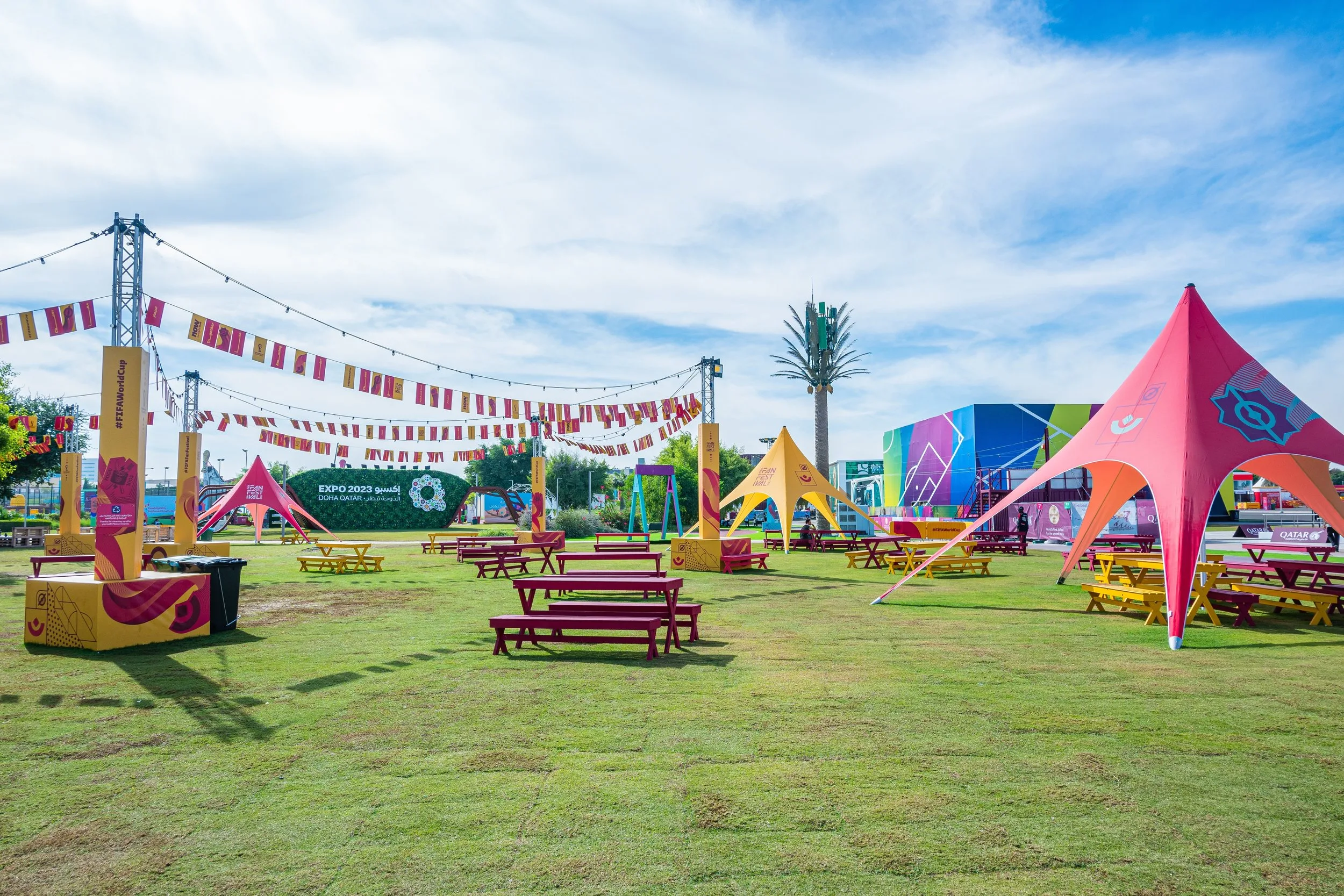
Experiential marketing has rapidly evolved from a niche tactic into a core strategy for cutting through the digital noise and building authentic consumer relationships. The emphasis on creating immersive and interactive experiences is stronger than ever. According to EventTrack research, 91% of consumers have more positive feelings about brands after attending events and experiences.
This article covers what experiential marketing is, why it works, the trends shaping it in 2026, and how to build a campaign that actually delivers.
What is Experiential Marketing?
Experiential marketing is a strategy that focuses on creating interactive and memorable experiences for consumers. Unlike traditional marketing methods that rely on passive consumption of content, experiential marketing involves active participation and engagement. The goal is to immerse participants in a brand’s story, allowing them to interact directly with products or services in a way that resonates on a personal level.
Historically, experiential marketing has evolved from simple product demonstrations (often referred to as field marketing) to complex, multi-sensory experiences. It integrates elements of live events, interactive technology, and personalized experiences to forge deeper connections between brands and consumers.
Why Experiential Marketing Matters in 2026
Consumer expectations have shifted. People want authentic interactions and personalized experiences that go beyond traditional advertising — engagement and participation that is both meaningful and memorable. According to EventTrack, 9 out of 10 consumers say they are more inclined to buy from a brand after participating in an experiential marketing campaign.
Technology plays a significant role in this evolution. Innovations such as virtual reality (VR) and augmented reality (AR) allow brands to create immersive experiences that captivate and engage audiences in new ways. These technologies enable brands to offer unique, interactive experiences that drive deeper emotional connections and increase brand loyalty.
Experiential marketing also helps brands stand out in a crowded market. By creating distinctive and engaging experiences, brands can differentiate themselves from competitors and build stronger, more lasting relationships with their audiences.
Few stages prove this better than South by Southwest, where the most memorable brand activations at SXSW stand out precisely because they replace passive displays with distinctive, participatory experiences attendees can’t get anywhere else.
The same logic now drives entire travel categories. Cannabis tourism, for instance, is marketed almost entirely as experiential and wellness travel — selling immersive farm tours, tastings, and educational dispensary visits rather than the product itself.
Why Experiential Marketing is Effective
Experiential marketing has emerged as one of the most effective strategies for brands to engage and connect with consumers in an increasingly saturated market. Unlike traditional marketing, which often relies on passive consumption of messages through ads or content, experiential marketing invites consumers to actively participate in brand experiences. This participatory approach is highly effective for several key reasons:
Creates Memorable Experiences
One of the primary reasons experiential marketing is so effective is its ability to create memorable experiences. Traditional advertising often blends into the background, easily forgotten amidst the noise of countless other messages. In contrast, experiential marketing is designed to stand out by engaging multiple senses and emotions. Whether it’s through an immersive event, an interactive installation, or a hands-on product demonstration, these experiences are more likely to stick in consumers’ minds. The power of memory in marketing cannot be overstated — memorable experiences not only boost brand recall but also foster deeper emotional connections, leading to long-term brand loyalty.
Encourages Active Participation
Experiential marketing thrives on active participation, which is a powerful tool for engagement. When consumers are invited to engage directly with a brand, whether by trying a product, participating in a game, or interacting with a digital installation, they are more likely to form a meaningful connection. This active involvement fosters a sense of ownership and personal investment in the brand, making consumers feel like they are part of the brand’s story. The result is a more profound and lasting impression than what passive forms of advertising can achieve.
Builds Emotional Connections
Experiential marketing is particularly effective at building emotional connections between brands and consumers. By creating environments and activities that resonate on an emotional level, brands can tap into the feelings, desires, and aspirations of their audience. Emotions play a real role in decision-making, and when a brand can evoke positive emotions through an experience, it can significantly influence consumer behavior. Whether it’s the thrill of a live event, the satisfaction of completing a challenge, or the joy of a shared experience with friends, these emotions can translate into strong brand affinity and advocacy.
Uses Word-of-Mouth and Social Sharing
Word-of-mouth and social sharing are where experiential marketing compounds. When consumers have a positive and memorable experience with a brand, they share it with friends and followers, both online and offline. This organic sharing not only extends the reach of the campaign but also adds a layer of authenticity and credibility, as people are more likely to trust recommendations from their peers than from the brand itself. A well-executed campaign can turn into a widespread movement, significantly enhancing brand visibility and reputation.
Provides Valuable Data and Insights
Experiential marketing also generates real data on consumer behavior. By tracking how consumers interact with an experience — what they engage with, how long they stay, and what they share — brands can gain a deeper understanding of their audience. That data can then be used to refine future marketing strategies, making them more targeted and effective. The feedback (specifically zero-party data) collected during experiential campaigns offers direct insight into consumer preferences and needs, helping brands better meet their audience’s expectations.
For the numbers behind all of this, the latest experiential marketing statistics show 91% of consumers are more likely to buy after participating in a brand experience, and well-executed campaigns consistently deliver a 3:1 to 5:1 ROI, according to industry benchmarks compiled by EventTrack and Reveal Marketing.

Core Elements of Experiential Marketing
Immersion
Immersion is at the heart of experiential marketing. Creating environments where consumers can fully engage with a brand is essential. Immersive experiences make participants feel as though they are a part of the brand’s story, enhancing their connection and engagement. This can include themed spaces, interactive installations, augmented or virtual reality technology, or multi-sensory elements like sound, lighting, and tactile experiences. The more immersive the environment, the more memorable the experience becomes, increasing the likelihood that attendees will associate those positive feelings with the brand long after the event ends.
Interaction
Active participation is key to experiential marketing. Interaction transforms audiences from passive observers into active participants. Experiential marketing campaigns encourage consumers to engage directly with products or services through challenges or activities that require their input and involvement. Whether through hands-on demonstrations, gamified challenges, or social media participation, brands can create memorable experiences that drive deeper, more memorable connections.
Personalization
Tailoring experiences to individual preferences and behaviors makes interactions more relevant and impactful. Personalized experiences resonate more strongly with participants, increasing their likelihood of engagement and conversion. This can involve personalized content, custom product recommendations, location-based activities, or digital engagement tools that adapt to a participant’s behavior. When attendees feel that an experience was designed uniquely for them, it creates a stronger sense of connection and value. Personalized experiences also allow brands to collect meaningful engagement data that can inform future marketing strategies.
This personalization imperative is especially acute in the hospitality industry, where hotels, restaurants, and attractions are under growing pressure to design experiences that feel tailored to each guest rather than broadcast to all of them.
Emotional Connection
One of the primary goals of experiential marketing is to create a strong emotional connection between a brand and its audience. By crafting memorable moments that spark excitement, curiosity, or inspiration, brands can build deeper relationships with their audiences. These emotional experiences help shift consumer brand perception from simply recognizing a brand to genuinely feeling connected to it.
Measurement and Analytics
Modern experiential marketing campaigns increasingly rely on data to measure success and optimize future activations. To evaluate effectiveness, brands need to collect and analyze data such as attendee engagement, dwell time, participation rates, and post-event sentiment. Digital tools, QR codes, mobile apps, and engagement platforms can capture real-time data during events, providing valuable insights into attendee behavior. Those analytics also serve to demonstrate ROI and help brands refine their strategies.
Key Trends in Experiential Marketing for 2026
Virtual and Augmented Reality
VR and AR technologies are transforming experiential marketing by creating immersive environments that allow consumers to interact with brands in innovative ways. These technologies offer new opportunities for engagement and storytelling. Brands can use AR overlays, interactive screens, and VR simulations to bring products and stories to life in ways that traditional advertising can’t. This allows participants to explore environments, visualize products, or experience brand narratives in highly engaging ways. As AR tools become more accessible through smartphones and wearable devices, they are becoming a common component of many experiential campaigns.
Gamification
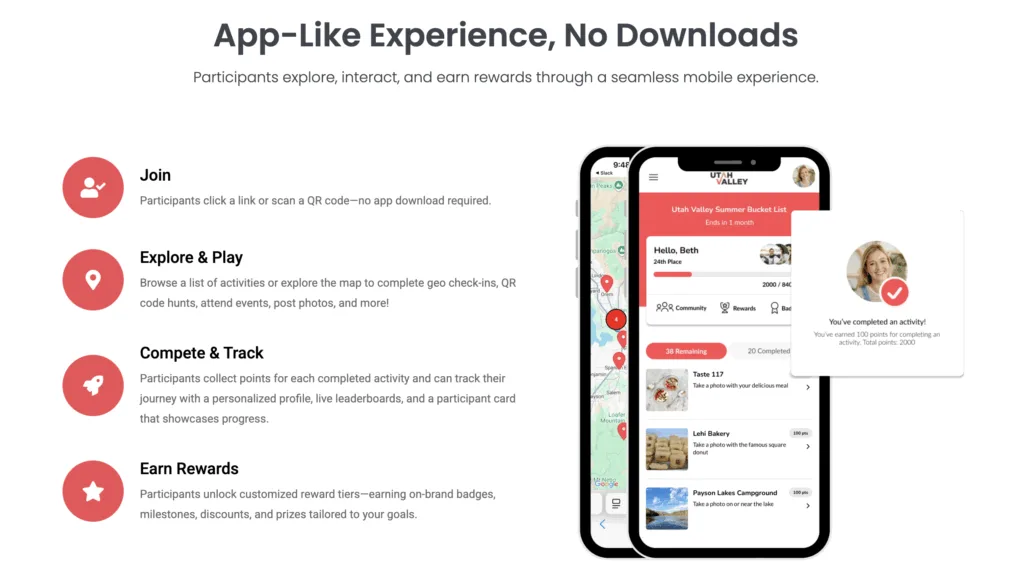
Incorporating game-like elements into marketing experiences helps engage audiences and incentivize participation. Gamification can enhance the fun and interactive aspects of campaigns, driving higher levels of involvement and enjoyment while delivering valuable first-party data and insights. Brands can create interactive scavenger hunts and reward systems that motivate attendees to explore different areas of an event or complete specific actions. These game mechanics encourage much deeper participation while making the experience more memorable and fun, and they hand marketers real engagement data to measure success.
Sustainability
As consumers become more environmentally conscious, brands are focusing on sustainable and socially responsible activations. Brands are increasingly designing activations with sustainability practices, including eco-friendly materials, reusable installations, and low-waste event strategies. Many consumers are more likely to engage with experiences that reflect environmentally responsible values, as sustainable experiential marketing campaigns not only reduce environmental impact but also reinforce a brand’s transparency and commitment to responsible practices.
Data-Driven Personalization
Using data to tailor experiences to individual preferences is becoming increasingly important. By analyzing consumer behavior and preferences, brands can create more targeted and impactful experiences.
Hybrid Events
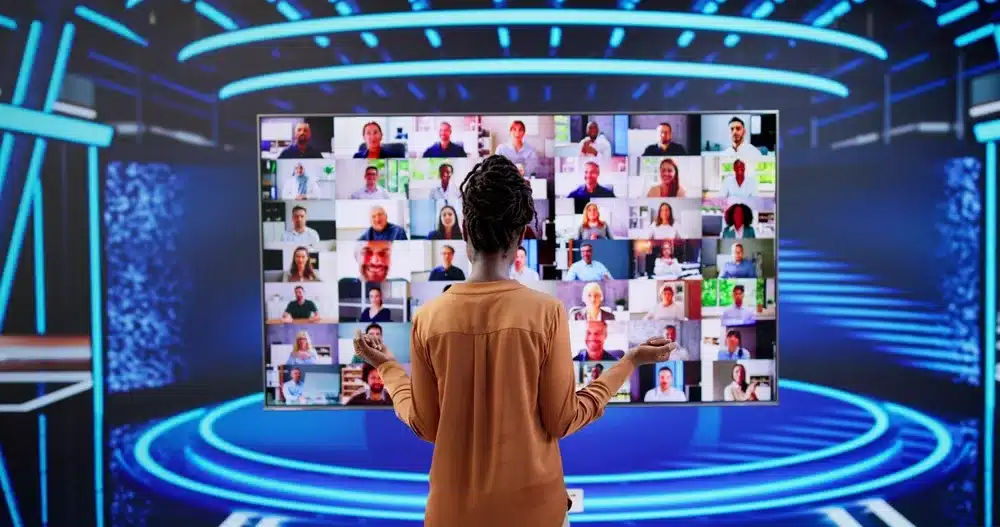
Brands now design experiences where attendees can participate both onsite and online through livestreams, mobile interactions, or social media campaigns. This approach of combining in-person and digital elements allows experiential marketers to provide flexible engagement options to reach a broader audience while maintaining the immersive impact of live events. Hybrid event strategies also generate valuable data by capturing digital engagement alongside in-person interactions.
Community-Driven Experiences
A newer trend in experiential marketing is building communities rather than simply delivering one-time brand interactions. Brands are designing experiences that encourage collaboration, conversation, and shared participation among attendees. This approach fosters a sense of belonging and strengthens long-term relationships between consumers and brands. Community-driven experiences can also result in repeat participation and sustained engagement beyond a single event.
AI-Powered Experiences
Artificial intelligence is beginning to shape experiential marketing by enabling smarter, more adaptive brand activations. AI tools can analyze attendee behavior in real time and adjust content, recommendations, or challenges accordingly. This allows brands to create experiences that evolve based on how participants interact with them. AI also helps marketers predict engagement patterns, personalize content, and automate post-event insights, making experiential campaigns more efficient and impactful.

Experiential Marketing Strategies
Experiential marketing strategies are designed to create immersive, interactive, and memorable experiences that engage consumers on a deeper level. These strategies prioritize direct engagement, allowing consumers to experience a brand’s products or services firsthand, fostering stronger emotional connections.
Pop-Up Events and Installations
Pop-up events and branded installations are effective for creating buzz and drawing in consumers. These temporary experiences often feature interactive elements, product trials, or exclusive content that can only be accessed in person. Pop-ups are particularly effective in high-traffic areas where they can attract spontaneous participation and generate social media buzz.
Product Demonstrations and Sampling
Offering consumers a hands-on opportunity to interact with a product can significantly influence purchasing decisions. Product demonstrations and sampling allow consumers to experience the benefits of a product directly, building trust and increasing the likelihood of conversion. These events can be enhanced with expert guidance, making the experience more educational and memorable. At trade shows in particular, a well-executed demo is one of the most powerful trade show booth activation ideas you can deploy.
Gamification and Interactive Challenges
Incorporating gamification elements, such as photo challenges, contests, or interactive quizzes, can make marketing experiences more engaging and enjoyable. Gamification taps into consumers’ natural desire for competition and achievement, driving participation and social sharing. Rewards and incentives, like discounts or exclusive content, can further motivate consumer involvement.
With the right mix of strategies, brands can create powerful, engaging experiences that resonate with consumers, drive brand loyalty, and encourage advocacy.
How to Develop an Effective Experiential Marketing Campaign
Developing an effective experiential marketing campaign requires careful planning, creativity, and a deep understanding of your target audience. Here’s a step-by-step guide to help you craft a campaign that resonates and achieves your goals:
1. Define Your Objectives
Start by clearly defining the objectives of your campaign. What do you want to achieve? Whether it’s increasing brand awareness, launching a new product, driving sales, or collecting consumer data, having a clear objective will guide the rest of your planning process. Your objectives should be specific, measurable, achievable, relevant, and time-bound (SMART).
2. Understand Your Audience
Understanding your target audience is the foundation of an experience that will actually resonate. Research their preferences, behaviors, and pain points. Consider what type of experience would appeal to them and how they are likely to engage with your brand. The more you know about your audience, the more personalized and impactful your campaign can be.
3. Develop a Creative Concept
The creative concept is the heart of your experiential marketing campaign. It should be original, memorable, and aligned with your brand’s identity. Think about how you can create an immersive and interactive experience that will captivate your audience. Whether it’s a pop-up event, a virtual reality experience, or a gamified challenge, your concept should be designed to engage participants in a meaningful way.
4. Choose the Right Tools and Technologies
Select the tools and technologies that will bring your concept to life. Whether you need event management software, gamification platforms, or social media integration tools, ensure that your technology stack is capable of delivering the experience you envision. Technology should enhance the experience, making it engaging and reliable for participants.
5. Integrate Across Channels
Integrating your experiential marketing campaign across multiple channels is essential for maximizing its impact. Ensure that your campaign is not limited to a single touchpoint; instead, extend it across digital and physical channels. For example, use social media to amplify the reach of your live event, create a dedicated landing page to capture leads, or integrate mobile apps for interactive experiences. Cross-channel integration ensures a consistent brand message and allows participants to engage with your campaign from various angles, enhancing overall engagement and reach.
6. Execute and Monitor
Once your campaign is live, execution and monitoring are key. Ensure that every element of the campaign is working as planned, from the logistics of an event to the functionality of digital components. Monitor engagement in real-time, and be ready to make adjustments if needed. Collect data throughout the campaign to measure its effectiveness and to gain insights for future initiatives.
7. Analyze and Optimize
After the campaign concludes, analyze the results against your initial objectives. What worked well, and what could be improved? Use the data you collected to refine your strategies and optimize future campaigns. Continuous learning and adaptation are essential for long-term success in experiential marketing.
By following these steps and ensuring robust integration across channels, you can develop an experiential marketing campaign that not only engages your audience but also drives meaningful results for your brand.
Tools and Technologies for Experiential Marketing
Experiential marketing relies heavily on the right tools and technologies to create immersive, engaging, and memorable experiences that resonate with consumers. These tools not only facilitate the design and execution of experiential campaigns but also enhance their effectiveness and reach.
Virtual and Augmented Reality (VR/AR)
VR and AR technologies are transforming the landscape of experiential marketing by offering consumers immersive experiences that blend the digital and physical worlds. VR allows brands to create entirely virtual environments where consumers can interact with products or participate in simulations, while AR overlays digital content onto the real world, enhancing physical experiences with interactive elements. These technologies are particularly effective in product demonstrations, virtual events, and interactive installations.
Gamification Platforms
Gamification platforms are essential for adding interactive and competitive elements to experiential event activations. These platforms allow brands to create challenges, quizzes, and contests that engage consumers in a fun and rewarding way. By incorporating leaderboards, badges, and rewards, gamification enhances participation and encourages social sharing, extending the reach of the campaign.
Event Management Software
Event management software streamlines the planning, execution, and analysis of experiential events. Tools like Cvent, Eventbrite, and Bizzabo provide features for registration, ticketing, attendee engagement, and post-event analytics. These platforms ensure that events run smoothly while capturing valuable data that can be used to refine future campaigns.
Selecting the right stack is only one piece — the broader event marketing strategy that wraps around the technology is what determines whether an event generates leads and content or simply fills a room.
Social Media Integration Tools
Social media integration tools are vital for amplifying the impact of experiential marketing campaigns. Platforms like Hootsuite, Sprout Social, and Buffer allow brands to manage and monitor social media interactions in real time, ensuring that user-generated content and brand messages are effectively shared and promoted across channels.
With the right stack in place, brands can run experiential campaigns that engage consumers, generate meaningful data, and extend their reach well beyond the physical event.
Examples of Experiential Marketing
Experiential marketing has been used by many brands to create immersive and engaging experiences that resonate with consumers. Here are five notable examples:
Red Bull Stratos
In 2012, Red Bull sponsored Felix Baumgartner’s record-breaking skydive from the stratosphere, an event that captured the world’s attention. The stunt aligned with Red Bull’s brand identity of pushing boundaries and embracing extreme sports. The event, watched by millions live, was more than just a spectacle — it reinforced Red Bull’s association with high-energy, adventurous lifestyles, creating an unforgettable brand experience.
IKEA’s “The IKEA Sleepover”
In 2011, IKEA hosted a sleepover event at its Essex store in the UK, allowing 100 fans to spend the night in the store’s showrooms. The event included sleep experts offering tips, and participants were able to choose their own mattresses, pillows, and bedding. This unique experience not only brought IKEA’s products to life but also generated significant media coverage and social media buzz, making the brand more relatable and engaging for its customers.
Coca-Cola’s “Share a Coke” Campaign
Coca-Cola’s “Share a Coke” campaign personalized the consumer experience by printing individual names on Coke bottles. Consumers were encouraged to find bottles with their own names or those of their friends and family, which led to a wave of social media sharing. The campaign made purchasing a Coke feel personal and interactive, boosting engagement and reinforcing the brand’s message of connection and sharing.
Nike’s “The House of Innovation”
Nike’s House of Innovation stores in cities like New York and Shanghai are immersive retail experiences that go beyond traditional shopping. These stores feature interactive installations, customizable products, and exclusive events. For example, visitors can design their own sneakers, participate in live product demonstrations, and use augmented reality to explore product details. This hands-on approach allows consumers to engage with the Nike brand in a personal and meaningful way, enhancing brand loyalty.
Samsung’s “Galaxy Studio”
Samsung’s Galaxy Studio pop-up experiences allowed consumers to explore and interact with the latest Samsung devices in a creative and hands-on environment. The studios featured immersive zones where visitors could test out the devices’ features, such as the VR experiences, water-resistant capabilities, and high-quality cameras. By providing a space where consumers could play with and experience the products firsthand, Samsung effectively demonstrated the benefits of its technology in a memorable way.
These examples show how experiential marketing creates lasting impressions, fosters brand loyalty, and drives consumer engagement through innovative, interactive experiences.
Ready to Supercharge Your Experiential Marketing Campaigns?
Seeker XP is built for exactly this. Brands use it to design and launch gamified challenges, interactive check-ins, and digital passports that turn attendees into active participants and hand you first-party data on every interaction. Whether you’re hosting an event, launching a new product, or building a brand activation, Seeker XP connects the digital and real-world layers of your campaign in one place.