
Spring is the most underused season in destination marketing. Summer has the bucket lists. Fall has the foliage trails. Winter owns the holidays. But March through May? That window is wide open, visitor intent is high, and the DMOs who show up with ready-to-run content capture it.
The passport calendar actually starts warming up in February. If you haven’t already, see our guide to Valentine’s Day digital passports for romance-themed trail ideas — couples’ chocolate crawls, sweetheart sips trails, and Galentine’s Day experiences that bridge January into spring. March brings St. Patrick’s Day on the 17th. Our guide to creating a St. Patrick’s Day guide for your destination covers the editorial angle. The nine digital passport ideas below are the activation layer you run on top of that content.
A digital passport is the fastest way to put seasonal intent to work. Participants sign up, follow a curated trail, check in via QR code at each stop, and earn digital badges and prizes.
What is a digital passport?
A digital passport guides participants through real-world locations via QR code check-ins, earning digital badges for milestones and competing on a leaderboard for prizes. For destination marketers the appeal is practical: first-party data, email list growth, user-generated content, and a co-marketing vehicle local businesses can promote themselves. Seeker XP is the platform destinations use to build and launch them — setup takes minutes in the Experience Builder.
Why spring is the right time to launch
Three things converge in spring: visitor intent spikes early (families plan spring break in January), local participation is genuinely high (residents emerge after winter), and spring is a content desert between holiday recaps and summer previews. A well-run spring passport gives your social channels and partners something to talk about when competition is quiet.
9 Spring Digital Passport Ideas
1. Easter Egg Hunt Passport
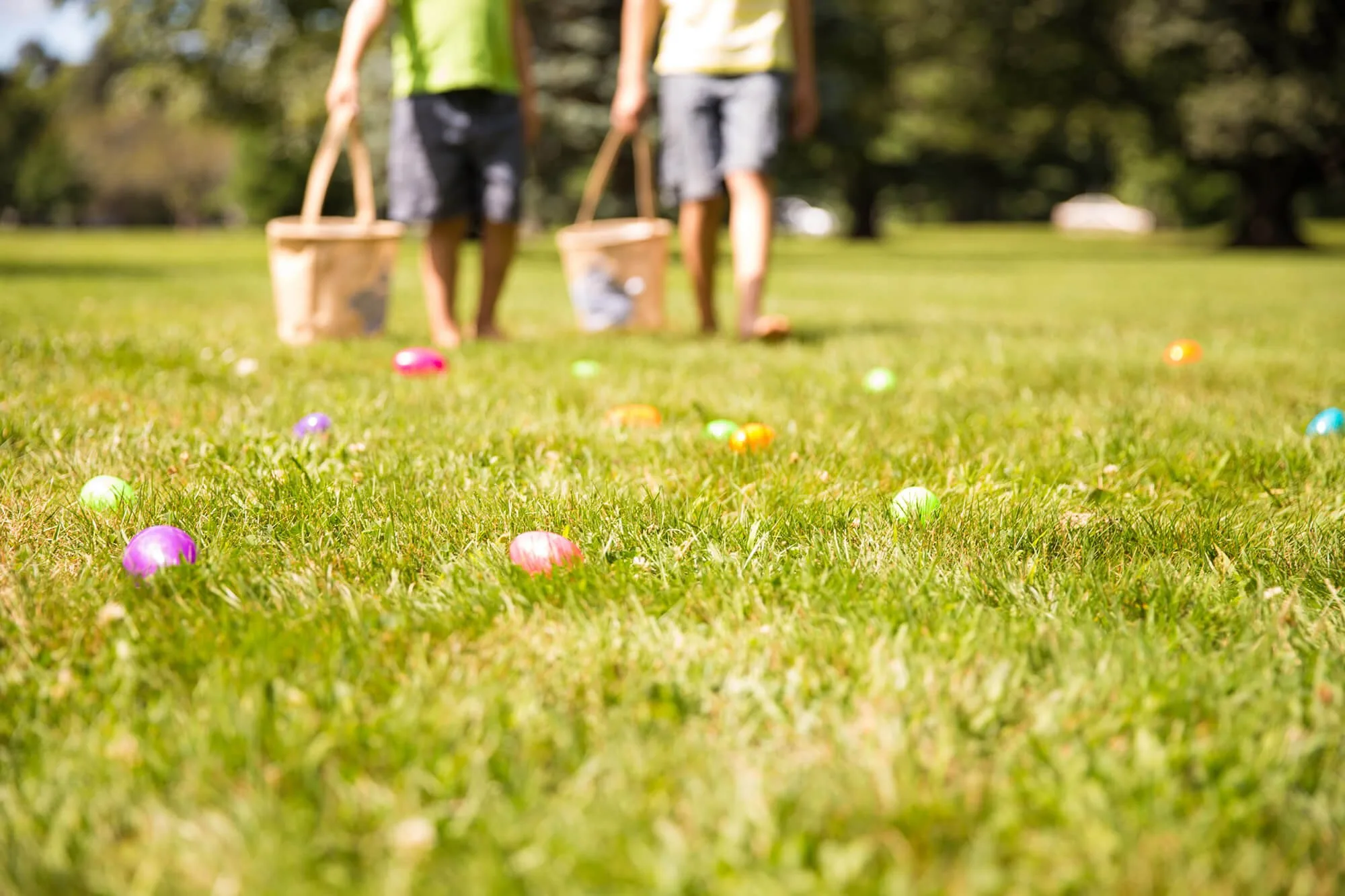
Take the classic egg hunt citywide. Participants check in at participating businesses via QR code, collect digital egg badges, and enter tiered prize drawings. Works well for downtowns and walkable neighborhoods with clusters of independently owned businesses.
2. Spring Blooms Trail
Botanical gardens, arboretums, parks with seasonal plantings, spring murals — a Blooms Trail gives visitors a reason to move through the destination rather than cluster at one spot. Photo check-ins generate UGC your team can actually use.
3. Restaurant Week Pass
Build a restaurant week passport around prix-fixe menus and badge milestones tied to check-in counts. Spring is natural timing: before summer patio season opens and diners are receptive to trying somewhere new. Westminster, CO’s Westy Restaurant Week is the proof of concept: ~40 restaurants, five collectible badges, leaderboard grand prize of up to $500.
4. Garden Tour & Plant Nursery Passport
Nurseries, botanical gardens, community garden plots, and flower markets all peak in spring. A Garden Passport groups them under one campaign and drives cross-visitation. Prize ideas: gift cards to participating nurseries, gardening kits, branded seed packets.
5. Spring Farmers Market Crawl
Multiple farmers markets in your destination? A market crawl passport gives locals a structured reason to visit more than one. Market visits tend to be habitual — a regular Saturday market-goer is a natural passport participant.
6. Craft Beverage Spring Trail
Breweries, wineries, cideries, and distilleries run spring releases and seasonal tastings. A spring craft beverage trail mirrors the ale trail model that performs well in summer. Santa Rosa’s Beer Passport, in its 10th year on Seeker XP, is the long-form version of what this looks like as an annual program.
7. Art Walk Check-in Challenge
Murals, sculpture installations, gallery open days — a photo check-in challenge drives exploration into neighborhoods that don’t get covered in typical visitor itineraries. Include a “hidden gem” stop not listed on the main map to reward participants who ask around.
8. Spring Break Family Adventure Passport
Timed at the spring break window (March–April). Family-friendly attractions, playgrounds, nature centers, children’s museums. Prize tiers keyed to completion levels work well for mixed-age groups. Explore Utah Valley’s Summer Bucket List model adapted for spring and a younger-skewing audience is a direct reference point.
9. Historic Landmarks & Heritage Trail
Spring is when heritage tourism wakes up. A Heritage Trail passport sequences historic sites, local museums, and cultural landmarks into a self-guided experience with check-in mechanics at each stop. Peoria County built their Bicentennial Bison Trek on exactly this structure.
How to get a spring passport live in time
A passport on Seeker XP can be live within a week. The harder timeline is business recruitment: two to three weeks of advance outreach is the realistic minimum. The Digital Passport Launch Kit has outreach templates, prize structure guidance, and a post-launch checklist.
What to do with the data after the passport closes
Seeker XP captures check-in data at each location, participant emails, completion rates, and UGC. When the passport closes you have: a ranked list of which businesses drove the most check-ins, an email list of engaged participants for your summer campaign, UGC from across the destination, and a completion rate that signals which stops participants skipped.
If you’re planning a spring passport and want to talk through the setup, book a demo.